

VMQ Silicone Slot Sealing Strip
Precision-extruded VMQ silicone rubber seal strip engineered for tight slot-fit insertion in appliance frames, oven glass channels, refrigerator drawer guides, and coffee machine housings. Continuous service from -60°C to +200°C means the seal stays elastic through deep-freeze cycles and high-temperature bake cycles alike, with cross-sectional tolerance held to ±0.3 mm across every meter of run…
Specifications
|
Product Type: |
Extruded Sealing Strip (slot / channel insert)
|
|---|---|
|
Base Polymer: |
VMQ (Vinyl Methyl Silicone Rubber)
|
|
Structure: |
Solid or Closed-Cell Foamed (per application)
|
|
Color: |
Translucent white (standard); custom colors available
|
|
Surface Finish: |
Smooth (standard); matte or textured on request
|
|
Standards & Compliance: |
|
|
Hardness: |
40–70 Shore A (solid); 15–35 Shore A (foam)
|
|
Tensile Strength: |
≥ 7 MPa (solid grade)
|
|
Elongation at Break: |
≥ 300%
|
|
Tear Strength: |
≥ 20 kN/m
|
|
Recommended Service Temperature: |
-60°C to +200°C (intermittent to +230°C)
|
|
Hot Air Aging: |
200°C × 72h: Hardness change ≤ ±5 Shore A
|
|
Low‑Temperature Brittleness: |
≤ -60°C
|
|
Typical Applications: |
Oven glass gasket, refrigerator drawer channel seal, coffee machine frame seal, dishwasher panel slot, induction cooktop edge seal
|
Description:
Most organic rubbers start losing elasticity well before 150°C. Silicone doesn’t. The Si–O backbone in VMQ compounds is inherently heat-stable — it resists thermal degradation at temperatures that would harden or crack EPDM or CR within weeks. At the cold end, the polymer’s low glass-transition temperature keeps the seal pliable down to -60°C, which matters for refrigerator and freezer drawer channels that cycle between ambient and sub-zero conditions daily. Add to that near-zero odor, excellent UV resistance, and no tendency to yellow over time, and you have a material that stays invisible and functional for the life of the appliance.
Silicone also brings inherent non-toxicity. For applications where the seal contacts food zones or potable-water reservoirs — think coffee machine frames, ice-maker channels — Micune offers food-grade VMQ compounds tested to GB 4806.16-2025. SGS-verified results confirm overall migration at non-detectable levels, potassium permanganate wastage well below limits, and heavy metals (as Pb) below 1 mg/kg.
Typical Industry Applications:
Proven performance across demanding manufacturing environments.
| Industry | Typical Use Cases |
|---|---|
| Home Appliances | Oven glass channel gasket, refrigerator drawer rail seal, dishwasher control panel slot insert, washing machine lid channel seal |
| Food & Beverage Equipment | Coffee machine frame seal (food-grade VMQ), ice-maker channel gasket, commercial beverage dispenser panel seal |
| Lighting & LED | LED silicone profile cover strip, channel luminaire housing seal |
| Electronics & Industrial Machinery | Control cabinet panel slot seal, instrument panel edge gasket, touchscreen bezel channel insert |
| Construction & Architecture | Aluminum window glazing channel trim (high-temperature areas), skylight frame seal |
Chemical Resistance Table:
| Chemical / Medium | Resistance | Notes (optional) |
|---|---|---|
| Water (ambient & hot) | ✅ Excellent | No swelling or degradation to 100°C |
| Dilute acids (HCl, H₂SO₄ ≤10%) | ✓ Good | Suitable for occasional splash contact |
| Dilute alkalis (NaOH ≤10%) | ✓ Good | |
| Food-grade detergents | ✅ Excellent | Common in appliance wash-down cycles |
| Ethanol (≤50%) | ✅ Excellent | |
| UV / Ozone | ✅ Excellent | No cracking after 1,000+ hours of UV exposure |
| Mineral oils | ⚠ Limited | Silicone swells in hydrocarbon oils; use NBR or FKM instead |
| Gasoline / Diesel | ✗ Not recommended | Rapid swelling and loss of mechanical properties |
| Toluene / Xylene | ✗ Not recommended | Aromatic solvents degrade VMQ |
| Acetone | ⚠ Limited | Short contact tolerable; prolonged exposure causes swelling |
| Silicone greases / fluids | ⚠ Limited | May swell in dimethyl silicone oil; verify specific grade |
| Hydrogen peroxide (≤3%) | ✅ Excellent | Suitable for sanitization cycles |
| Steam (≤150°C) | ✓ Good | Short-cycle steam exposure acceptable |
| Salt spray (5% NaCl) | ✅ Excellent | No corrosion or degradation |
| Cooking oils (vegetable) | ✓ Good | Minimal swelling at typical cooking temperatures |
In-House Quality Assurance & Testing:
At Micune Rubber, batch-to-batch consistency is guaranteed through our ISO-9001 certified Quality Management System. Every rubber compound and custom extrusion undergoes rigorous evaluation in our dedicated testing laboratory before shipment. We utilise industry-standard baseline testing, including Mooney Viscometers to measure compound viscosity and Torque Rheometers to verify exact vulcanisation characteristics. This ensures every material formulation strictly adheres to your required specifications and processing parameters.
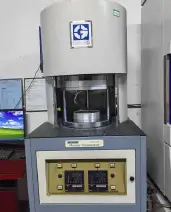
Mooney Viscometer
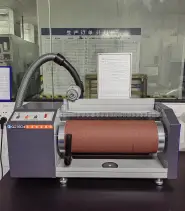
Abrasive Testing Machine
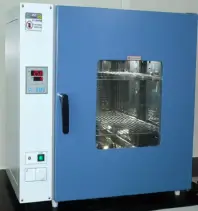
Burn-in Chamber
