
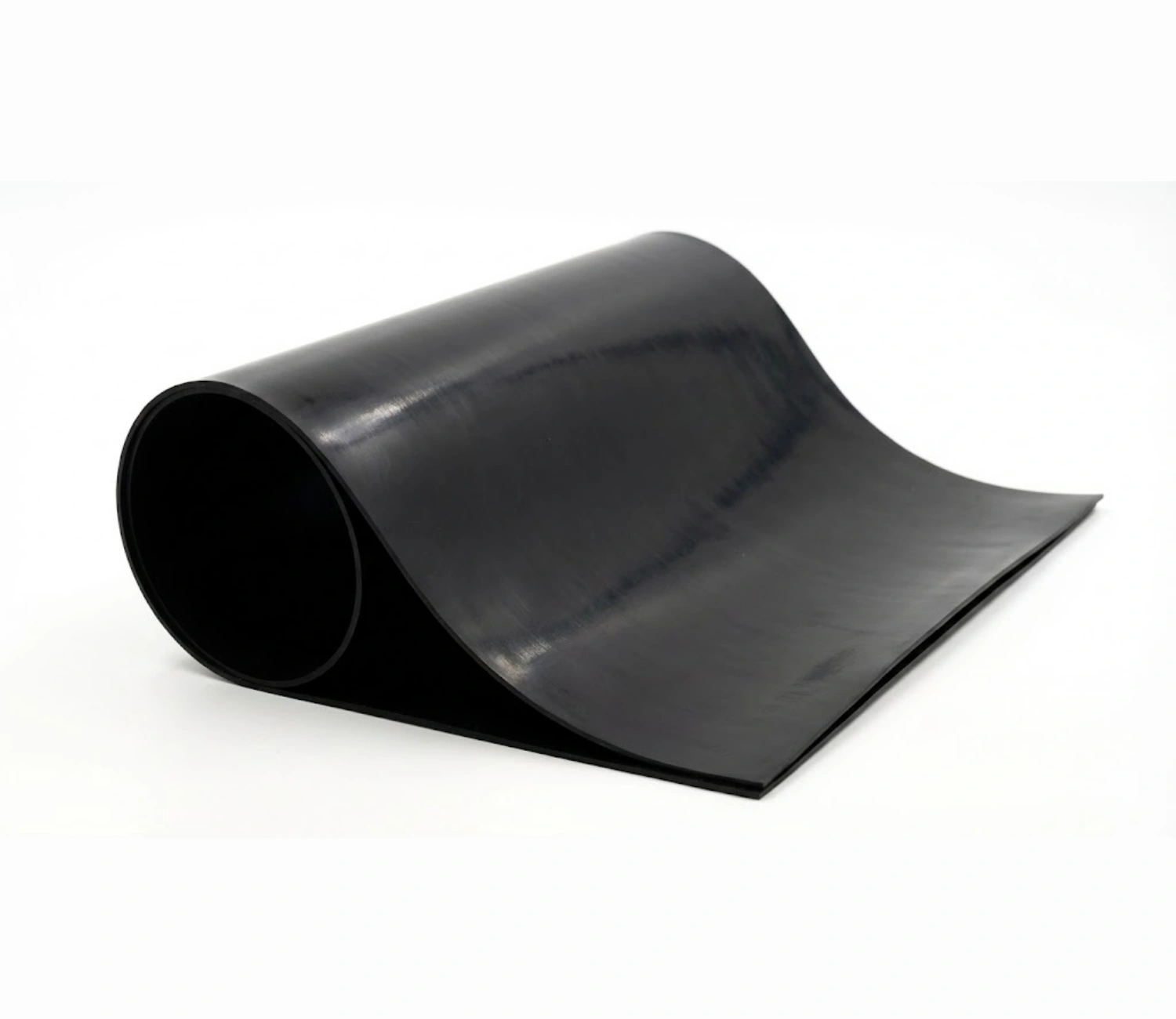
NBR Nitrile Rubber Compound
When fluid contact is the design constraint, the acrylonitrile (ACN) content of your nitrile rubber compound matters more than almost any other variable. Micune’s NBR compound range spans ACN levels from 18% to 45%, giving engineers the precise oil-resistance-to-flexibility balance each application demands — whether that’s a low-temperature-flexible fuel-return hose at 18–25% ACN or a…
Specifications
|
Product Type: |
Rubber Compound (raw compound) / Finished Molded Parts / Extruded Profiles
|
|---|---|
|
Base Polymer: |
NBR (Nitrile Butadiene Rubber / Acrylonitrile-Butadiene Rubber / Buna-N)
|
|
Structure: |
Solid (standard); sponge/foamed grades available on request
|
|
Color: |
Black (standard); gray, brown, custom colors available
|
|
Surface Finish: |
Smooth / Matte / Per mold tooling
|
|
Standards & Compliance: |
|
|
Hardness: |
40–85 Shore A (standard grades: 50, 60, 70, 80 ± 5 Shore A)
|
|
Tensile Strength: |
≥ 12 MPa (medium ACN grade, 60 Shore A)
|
|
Elongation at Break: |
≥ 280% (medium ACN grade, 60 Shore A)
|
|
Tear Strength: |
≥ 28 kN/m
|
|
Recommended Service Temperature: |
-40°C to +120°C continuous; up to +150°C for short-term peak exposure
|
|
Hot Air Aging: |
100°C × 70h: Hardness change ≤ ±8 Shore A; Tensile retention ≥ 75%
|
|
Low‑Temperature Brittleness: |
≤ -35°C (standard); ≤ -50°C for low-ACN cold-weather grades
|
|
Typical Applications: |
Oil seals, fuel hoses, O-rings, hydraulic gaskets, automotive fluid-contact diaphragms
|
Description:
Not all nitrile rubber is the same elastomer. The acrylonitrile content — the percentage of acrylonitrile monomer in the NBR copolymer chain — is the single formulation dial that controls the trade-off between oil resistance and low-temperature flexibility. Push ACN higher, toward 40–45%, and the polar nitrile groups pack tightly enough to resist swelling in petroleum-based fluids, diesel, and hydraulic oils with impressive results. Pull it down to 18–25%, and the polymer chain stays mobile enough to remain flexible at -45°C, which matters enormously for fuel lines and seals on equipment operating in cold climates.
Micune maintains validated compound grades across four ACN bands. That’s not just a catalog claim — each grade has its own optimized filler loading, plasticizer system, and vulcanization recipe developed and tested in-house at the Zengcheng facility.
Typical Industry Applications:
Proven performance across demanding manufacturing environments.
| Industry | Typical Use Cases |
|---|---|
| Automotive & Motorcycle | Engine oil seals, fuel tank filler neck hoses, transmission gaskets, brake system diaphragms, power steering hose jackets |
| Industrial Machinery | Hydraulic cylinder seals, pneumatic valve seals, pump gaskets, oil-resistant conveyor belts, rotary shaft seals |
| Home Appliances | Washing machine oil-drain hose, compressor valve plates, refrigerator compressor gaskets |
| Electronics & Electrical Equipment | Oil-resistant cable jacket, grommet seals for junction boxes in oil-present environments |
| Agricultural & Construction Equipment | Hydraulic hose inner liner, fuel-system O-rings, equipment sealing strips exposed to lubricants |
Chemical Resistance Table:
| Chemical / Medium | Resistance | Notes |
|---|---|---|
| Mineral engine oil (SAE 5W-30 to 20W-50) | ✅ Excellent | Core design strength of NBR; high-ACN grades preferred |
| Diesel fuel | ✅ Excellent | Use ≥ 33% ACN grade for extended immersion |
| Hydraulic oil (mineral-based) | ✅ Excellent | Standard medium-ACN grade suitable |
| Petroleum-based greases | ✅ Excellent | |
| Ethanol-blended fuel (E10–E85) | ✓ Good | High-ACN grade recommended; monitor swell with E85 |
| IRM 901 / 902 / 903 reference oils | ✅ Excellent | Validated in-house per ASTM D471 methodology |
| Water (up to 70°C continuous) | ✓ Good | Not NBR’s primary strength; avoid steam above 100°C |
| Dilute acids (5–10% H₂SO₄, HCl) | ⚠ Limited | Short-term contact only; consult compound selection |
| Dilute alkalis (NaOH ≤ 10%) | ⚠ Limited | |
| Ozone / UV (outdoor weathering) | ✗ Not recommended | NBR backbone is unsaturated; use EPDM or CR for outdoor exposure |
| Aromatic hydrocarbons (toluene, xylene) | ✗ Not recommended | Significant swelling expected |
| Ketones (acetone, MEK) | ✗ Not recommended | Not compatible |
| Phosphate ester hydraulic fluids (Skydrol) | ✗ Not recommended | Use FKM or EPDM for phosphate ester exposure |
| Refrigerant oils (POE, PAG) | ⚠ Limited | Consult HNBR grades for compressor seal applications |
| Compressed air (dry) | ✓ Good |
In-House Quality Assurance & Testing:
At Micune Rubber, batch-to-batch consistency is guaranteed through our ISO-9001 certified Quality Management System. Every rubber compound and custom extrusion undergoes rigorous evaluation in our dedicated testing laboratory before shipment. We utilise industry-standard baseline testing, including Mooney Viscometers to measure compound viscosity and Torque Rheometers to verify exact vulcanisation characteristics. This ensures every material formulation strictly adheres to your required specifications and processing parameters.
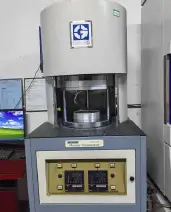
Mooney Viscometer
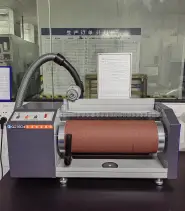
Abrasive Testing Machine
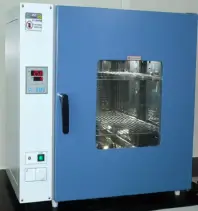
Burn-in Chamber
