
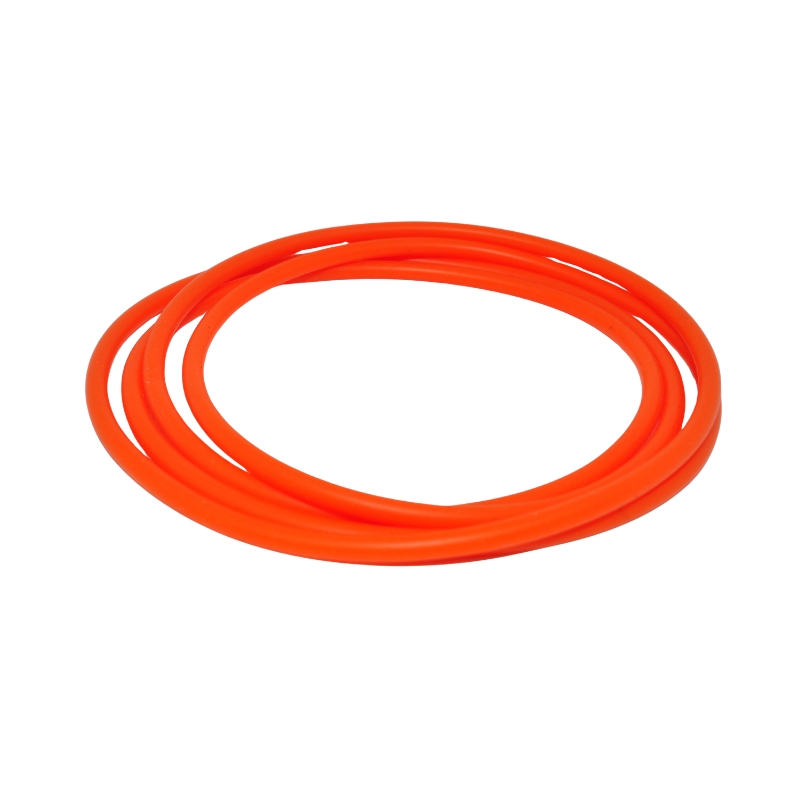
High-Temperature Silicone O-Ring (VMQ/HTV)
When a standard rubber seal softens at 180°C and extrudes out of its groove, the result is steam leakage, contaminated product, or a full line shutdown. This high-temperature silicone O-ring is compression-molded from HTV (High-Temperature Vulcanized) VMQ compound engineered for continuous duty at 200°C and intermittent spikes to 230°C — without the compression set creep…
Specifications
|
Product Type: |
Compression-Molded O-Ring
|
|---|---|
|
Base Polymer: |
VMQ — Methyl Vinyl Silicone (HTV Grade)
|
|
Structure: |
Solid
|
|
Color: |
Translucent natural (semi-clear); custom colors available (red, white, blue, black)
|
|
Surface Finish: |
Smooth (flash-trimmed or precision-deflashed per spec)
|
|
Standards & Compliance: |
|
|
Hardness: |
50 ± 5 Shore A (standard); range 30–80 Shore A available
|
|
Tensile Strength: |
≥ 8.0 MPa
|
|
Elongation at Break: |
≥ 300%
|
|
Tear Strength: |
≥ 20 kN/m (Die B)
|
|
Recommended Service Temperature: |
-60°C to +200°C (continuous); +230°C (intermittent, ≤ 4 h)
|
|
Hot Air Aging: |
200°C × 72 h: Hardness change ≤ ±5 Shore A; tensile retention ≥ 80%
|
|
Low‑Temperature Brittleness: |
≤ -55°C
|
|
Typical Applications: |
Oven door seals, autoclave chamber gaskets, steam generator O-rings, pressure cooker seals, industrial sterilizer closures
|
Description:
Most heating chamber seal failures don’t happen because silicone was the wrong polymer choice. They happen because the compound was wrong for the job.
VMQ silicone’s backbone is a chain of alternating silicon and oxygen atoms — the Si–O–Si bond dissociation energy sits around 452 kJ/mol, roughly 20% higher than the C–C bonds in organic rubbers. That’s the fundamental reason silicone holds its elasticity at temperatures where EPDM turns brittle and NBR disintegrates. The methyl and vinyl side groups provide enough flexibility for reliable sealing at sub-zero temperatures too, which matters in equipment that cycles between ambient cold starts and 200°C operating heat.
But here’s the catch: a poorly formulated VMQ compound with cheap filler loading or insufficient crosslink density will still soften under sustained heat, take permanent compression set, and eventually extrude out of the groove. The seal looks fine at room temperature during incoming inspection. It fails three months later, deep inside a heating chamber where nobody sees it until steam starts leaking.
Typical Industry Applications:
Proven performance across demanding manufacturing environments.
| Industry | Typical Use Cases |
|---|---|
| Home Appliances | Oven door seals, steam oven chamber gaskets, dishwasher heating element seals, coffee machine boiler O-rings |
| Food & Beverage Equipment | Pressure cooker lid seals, commercial steamer gaskets, pasteurization chamber closures, brewing vessel manway seals |
| Medical & Laboratory Equipment | Autoclave door O-rings, dry-heat sterilizer gaskets, lab oven chamber seals, dental autoclave sealing rings |
| Industrial Processing | Steam generator flange seals, heat exchanger gaskets, curing oven door seals, hot-air dryer closure rings |
| Electronics & Semiconductor | Reflow oven seals, burn-in chamber gaskets, thermal cycling test chamber O-rings |
Chemical Resistance Table:
| Chemical / Medium | Resistance | Notes |
|---|---|---|
| Hot air (200°C continuous) | ✅ Excellent | Primary design environment |
| Saturated steam (≤ 150°C) | ✅ Excellent | Suitable for autoclave cycles |
| Saturated steam (150–200°C) | ✓ Good | Reduced service life; monitor compression set |
| Ozone | ✅ Excellent | Inherent resistance from Si–O backbone |
| UV / Sunlight | ✅ Excellent | No surface cracking or chalking |
| Dilute acids (HCl, H₂SO₄ ≤ 10%) | ✓ Good | Short-term contact acceptable |
| Dilute alkalis (NaOH ≤ 10%) | ✓ Good | Moderate exposure; rinse after contact |
| Concentrated alkalis (NaOH > 30%) | ✗ Not recommended | Attacks Si–O backbone at elevated temperature |
| Ethanol / Isopropanol | ✅ Excellent | Common sterilization media |
| Mineral oils | ⚠ Limited | Causes swelling > 15%; use FKM or NBR instead |
| Hydrocarbon fuels (gasoline, diesel) | ✗ Not recommended | Significant swelling and strength loss |
| Silicone oils / greases | ⚠ Limited | Absorption and swelling; avoid prolonged contact |
| Hydrogen peroxide (≤ 6%) | ✓ Good | Used in sterilization rinse cycles |
| Food-contact cleaning agents | ✅ Excellent | Alkaline and chlorinated CIP solutions at moderate concentration |
In-House Quality Assurance & Testing:
At Micune Rubber, batch-to-batch consistency is guaranteed through our ISO-9001 certified Quality Management System. Every rubber compound and custom extrusion undergoes rigorous evaluation in our dedicated testing laboratory before shipment. We utilise industry-standard baseline testing, including Mooney Viscometers to measure compound viscosity and Torque Rheometers to verify exact vulcanisation characteristics. This ensures every material formulation strictly adheres to your required specifications and processing parameters.
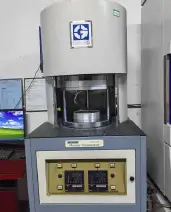
Mooney Viscometer
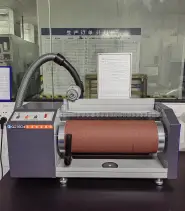
Abrasive Testing Machine
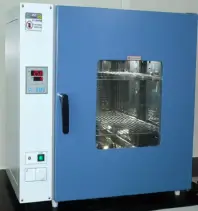
Burn-in Chamber
