
Home Appliances Industry
Rubber and Silicone Compounds for Home Appliance Sealing, Damping, and Insulation
Home appliances operate under relentless, mixed-mode stress: repeated door open-close cycles, hot-water and steam exposure in washers, alkaline detergent contact in dishwashers, sub-zero cold storage in freezers, continuous heat aging above 200 °C in ovens, and vibration loads from compressors and motors. Rubber seals and gaskets in these systems must maintain compression set recovery, chemical resistance, and dimensional stability across thousands of service hours.
A washing machine door gasket, a refrigerator perimeter seal, and an oven door gasket all demand different elastomer chemistries. EPDM delivers long-term ozone and detergent resistance for laundry systems. Silicone withstands continuous oven temperatures above 200 °C without hardening. TPE offers flexible, low-odor sealing for refrigerator door profiles. Selecting the wrong compound leads to premature seal failure, water leakage, energy loss, or off-gassing inside enclosed appliance cabinets.
EPDM Appliance Seals
Silicone High-Temp Gaskets
TPE Flexible Sealing
Low-Odor Compound Options
OEM / ODM Support
Request Appliance Compound Samples
Why Rubber Compound Selection Defines Appliance Reliability
In home appliance manufacturing, the rubber seal is rarely the most expensive component — but it is often the first point of failure. A door gasket that loses compression set after 6 months allows water leakage in washing machines, warm-air ingress in refrigerators, and heat escape in ovens. Poorly formulated seals release odors into enclosed appliance environments or degrade when exposed to household detergents, bleach, or steam condensation.
Not all EPDM compounds perform equally in alkaline wash environments, and not all silicone rubber gaskets retain flexibility at oven-level temperatures. An EPDM seal formulated with a sulfur cure system may perform well in moderate heat, but a peroxide-cured EPDM compound offers superior compression set resistance for washer door gaskets subjected to repeated thermal cycling between 30 °C and 90 °C. Similarly, a general-purpose silicone compound may pass initial flexibility tests but lose tear strength after prolonged exposure to 230 °C oven conditions if the silicone base polymer and filler system are not selected for sustained high-temperature aging.
Formulation choices — polymer grade, filler loading, cure system, plasticizer selection — directly determine whether an appliance rubber part will maintain its sealing force, resist chemical attack, and avoid off-gassing over a 10-year appliance service life. Micune compounds are engineered for these specific environments, validated on our in-house Mooney viscometer, rheometer, tensile tester, and low-temperature brittleness tester before shipment.
Key Applications in Home Appliances
Each appliance environment imposes a distinct combination of temperature, chemical exposure, mechanical cycling, and aesthetic requirements on rubber sealing and damping components.
Washing Machine Door Gaskets
Front-load washer door seals endure 5,000–10,000+ open-close cycles, repeated hot-water immersion at 60–90 °C, continuous detergent and bleach exposure, and drum vibration. The gasket must maintain compression recovery above 70% to prevent water leakage while resisting alkaline chemical degradation.
EPDM with peroxide cure is the standard choice for washer door gaskets, providing ozone resistance, low compression set, and compatibility with common laundry detergent chemistries.
EPDM (peroxide-cured)Refrigerator Door Seals
Refrigerator and freezer perimeter seals operate at sustained low temperatures (−18 °C to +5 °C for freezers) and must remain flexible enough to form a reliable magnetic-closure seal. Stiffening or cracking at low temperatures causes cold-air leakage, increased compressor run time, and higher energy consumption.
TPE compounds offer excellent low-temperature flexibility down to −40 °C, combined with smooth surface finish for magnetic insert compatibility. Low-odor formulations are critical since the seal sits inside a closed food-storage environment.
TPE / Flexible PVC alternativesDishwasher Pump and Water-Contact Seals
Dishwasher seals face aggressive alkaline detergent solutions at elevated temperatures (55–75 °C), combined with steam condensation and repeated thermal cycling between wash and dry phases. Pump seals and door gaskets must resist hydrolysis and maintain sealing pressure over 2,000+ wash cycles.
EPDM compounds formulated with mineral-oil-free plasticizers provide strong alkali resistance without extractable components that could contaminate wash water or leave residue on dishes.
EPDM (chemical-resistant grades)Oven Door Gaskets
Oven door gaskets operate in continuous heat exposure at 200–260 °C, with peak temperatures during self-cleaning cycles reaching 400 °C or more. The gasket must resist heat aging, maintain flexibility after thermal cycling, and avoid emitting volatile organic compounds into the cooking chamber.
Silicone rubber is the material of choice for oven gaskets, offering continuous service capability from −60 °C to 230 °C (intermittent to 300 °C) with low VOC emission and non-toxic decomposition products.
Silicone (high-temperature)Air-Conditioner Drainage and Outdoor Unit Seals
AC systems require seals for condensate drainage channels, refrigerant line pass-throughs, and outdoor unit enclosures. Outdoor seals face UV radiation, ozone, rain, and temperature swings from −20 °C to +60 °C across seasons. Indoor drainage seals must resist mold growth and stagnant-water immersion.
EPDM is preferred for outdoor AC seals due to its inherent ozone and UV resistance. For drainage channels, EPDM or NR/SBR blends with antimicrobial consideration provide reliable long-term sealing.
EPDM (weather-resistant)Anti-Vibration Pads and Damping Components
Compressors in refrigerators, motors in washing machines, and blower units in range hoods generate vibration that causes noise, structural fatigue, and component loosening over time. Rubber damping mounts and anti-vibration pads must absorb energy efficiently across a frequency range relevant to appliance motor speeds (typically 10–200 Hz).
NR/SBR blends deliver high resilience and effective vibration damping at room temperature. For applications requiring oil contact or elevated temperature, NBR-based damping compounds offer a balance of damping performance and chemical resistance.
NR/SBR blends · NBRRecommended Materials for Appliance Rubber Parts
The table below summarizes the primary elastomer platforms used in home appliance sealing and damping applications, with guidance on where each material fits and why.
| Material | Appliance Fit | Performance Strengths | Selection Logic |
|---|---|---|---|
| EPDM | Washing machine door gaskets, dishwasher pump seals, AC outdoor unit seals, water-contact hose and tubing | Outstanding ozone and UV resistance; excellent alkali/detergent resistance; low compression set with peroxide cure; continuous service to 130 °C (intermittent 150 °C); good low-temperature flexibility to −40 °C | Default choice for water-contact and detergent-exposure seals. Use peroxide cure for washer door gaskets requiring superior compression set recovery. Avoid in oil-contact applications. |
| Silicone | Oven door gaskets, steam oven seals, hot-zone insulation gaskets, food-contact sealing components | Continuous service −60 °C to 230 °C; low VOC emission; non-toxic; FDA/food-grade formulations available; excellent compression set at elevated temperatures | Required wherever continuous temperatures exceed 150 °C. Preferred for enclosed cooking environments where odor and off-gassing must be minimized. Higher raw material cost is justified by thermal performance. |
| TPE | Refrigerator door seals, freezer perimeter profiles, soft-touch appliance grips and edge trim | Excellent low-temperature flexibility to −40 °C or below; smooth co-extrudable surface finish; recyclable; color-matching capability; low odor | Preferred for refrigerator magnetic door seals where flexibility at freezer temperatures and consistent surface aesthetics are critical. Easier to process in complex co-extrusion profiles than vulcanized rubber. |
| NBR | Pump seals exposed to lubricating oil or grease, motor mount gaskets near oil-lubricated components | Oil and fuel resistance (ACN content 33–41% for appliance-grade); good abrasion resistance; moderate temperature range (−30 °C to 120 °C depending on ACN grade) | Select NBR when the seal contacts mineral oils, greases, or petroleum-based fluids. Higher ACN content (≥33%) provides better oil resistance but reduces low-temperature flexibility. |
| NR/SBR Blends | Anti-vibration mounts, compressor damping pads, motor isolators, general-purpose appliance cushioning | High resilience and energy absorption; excellent vibration damping; low cost; good mechanical properties at room temperature | Use for vibration isolation where chemical resistance is not the primary requirement. NR/SBR blends offer the best cost-performance ratio for damping applications operating near ambient temperature. |
Featured Products for Home Appliance Applications
Compounds and materials engineered for specific appliance environments, available for sampling and technical evaluation.
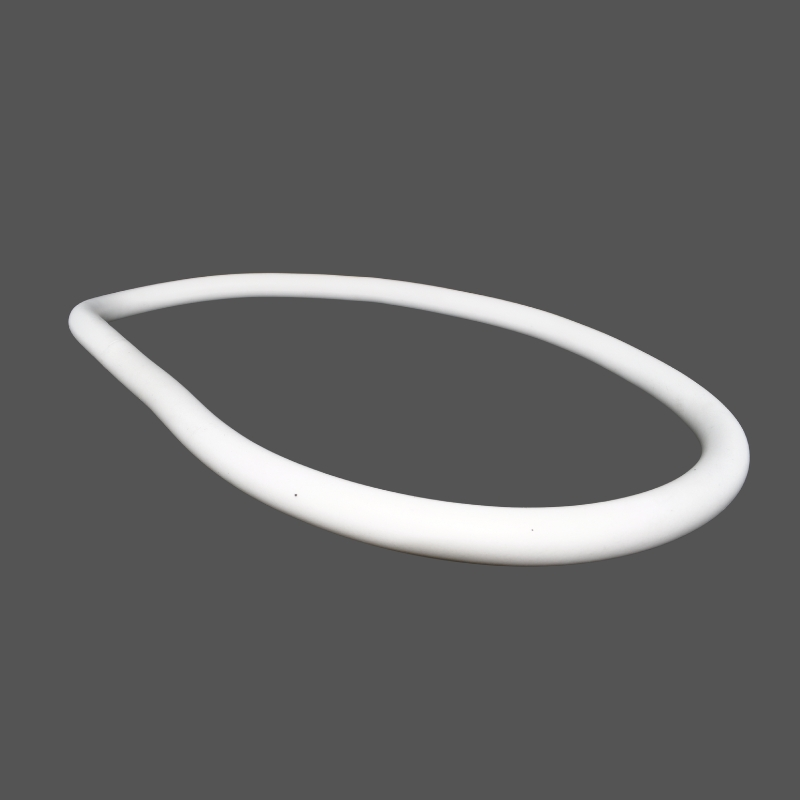
Washing Machine Door Gasket Material
EPDM-based sealing material designed for repeated washing cycles, detergent exposure, and compression recovery. Formulated with peroxide cure for low compression set and long-term alkali resistance in front-load washer door systems.
Best for: Front-load washer door gasket systems
View Product Details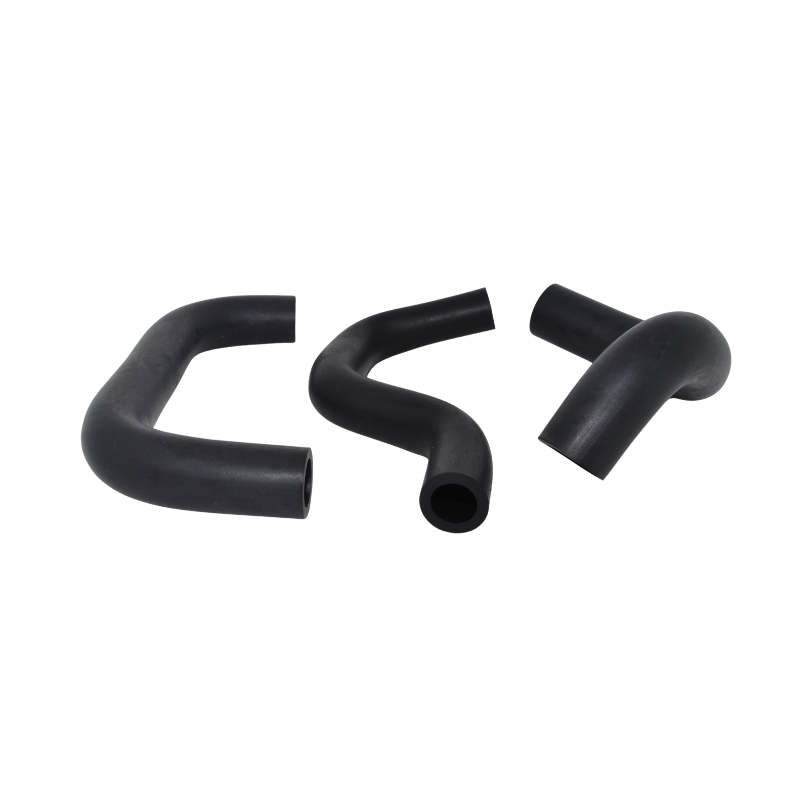
Refrigerator Door Seal Compound
Flexible sealing compound engineered for low-temperature resilience and long-term door closure performance. Maintains consistent sealing force at freezer temperatures down to −30 °C with low-odor characteristics for enclosed food-storage environments.
Best for: Refrigerator and freezer perimeter seals
View Product Details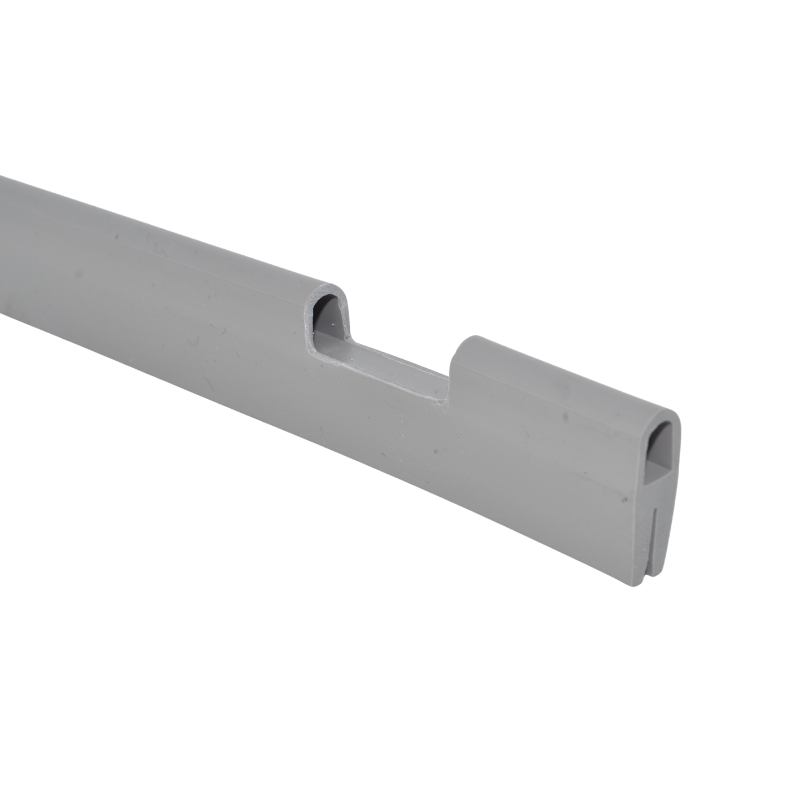
Silicone Oven Gasket Material
Heat-stable silicone material suitable for sealing applications exposed to elevated appliance temperatures. Maintains flexibility and sealing performance during continuous operation at 200–230 °C with minimal volatile emission into the cooking chamber.
Best for: Oven door sealing and hot-zone gasket parts
View Product DetailsValidation for Appliance Export and End Use
Rubber components in home appliances shipped to the EU, North America, and other regulated markets must comply with restricted-substance directives. Micune provides third-party tested compounds to support appliance OEM compliance requirements.
- RoHS compliance (EU 2015/863): EPDM rubber compound tested by SGS under report CANEC26004724721. All ten restricted substances — including lead, mercury, cadmium, hexavalent chromium, PBBs, PBDEs, DEHP, BBP, DBP, and DIBP — reported as ND (not detected) for the tested sample.
- PAHs compliance (AfPS GS 2019:01): EPDM compound tested by SGS under report CANEC26004724739. All 15 individual PAH compounds and the sum of 15 PAHs reported as ND for the tested sample — supporting GS-mark certification requirements for consumer-contact rubber parts.
- Low-odor and low-VOC formulation: Enclosed appliance environments — refrigerator cabinets, oven chambers, washing machine drums — require compounds formulated to minimize residual volatile organic compounds. Micune applies controlled second-pass vulcanization and low-volatility plasticizer selection to reduce off-gassing in sensitive applications.
- In-house formulation control: Every batch is validated using Mooney viscometry (processability), Moving Die Rheometer MDR-2000E (cure characteristics), tensile testing (mechanical performance), and low-temperature brittleness testing (cold-environment suitability) to ensure compound consistency before shipment to appliance manufacturers.
Develop Your Appliance Rubber Solution
Share your application requirements — failed parts, current material specifications, operating temperature range, chemical exposure conditions, and target performance — and our compounding engineers will recommend a material solution matched to your appliance system.
Contact Micune Engineering TeamStart Your Custom Project Today!
Looking to optimise your supply chain? Our engineering team can support your needs for custom rubber compounding, moulded parts, or extrusions. Please submit your requirements below to receive a prompt, factory-direct quote and technical consultation.